Written by Katy Robinson
Senior Project Manager at East Riding of Yorkshire Council

Women in construction: PPE that is fit for purpose

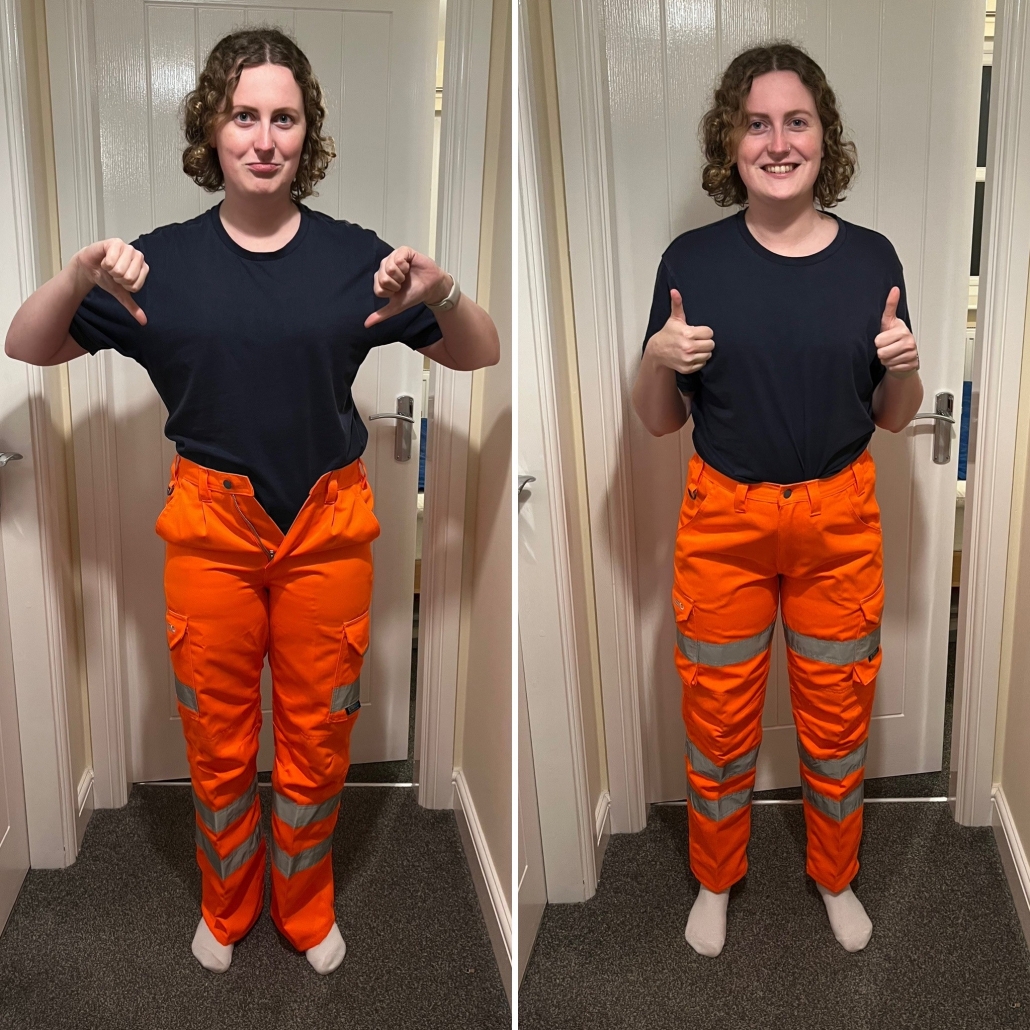
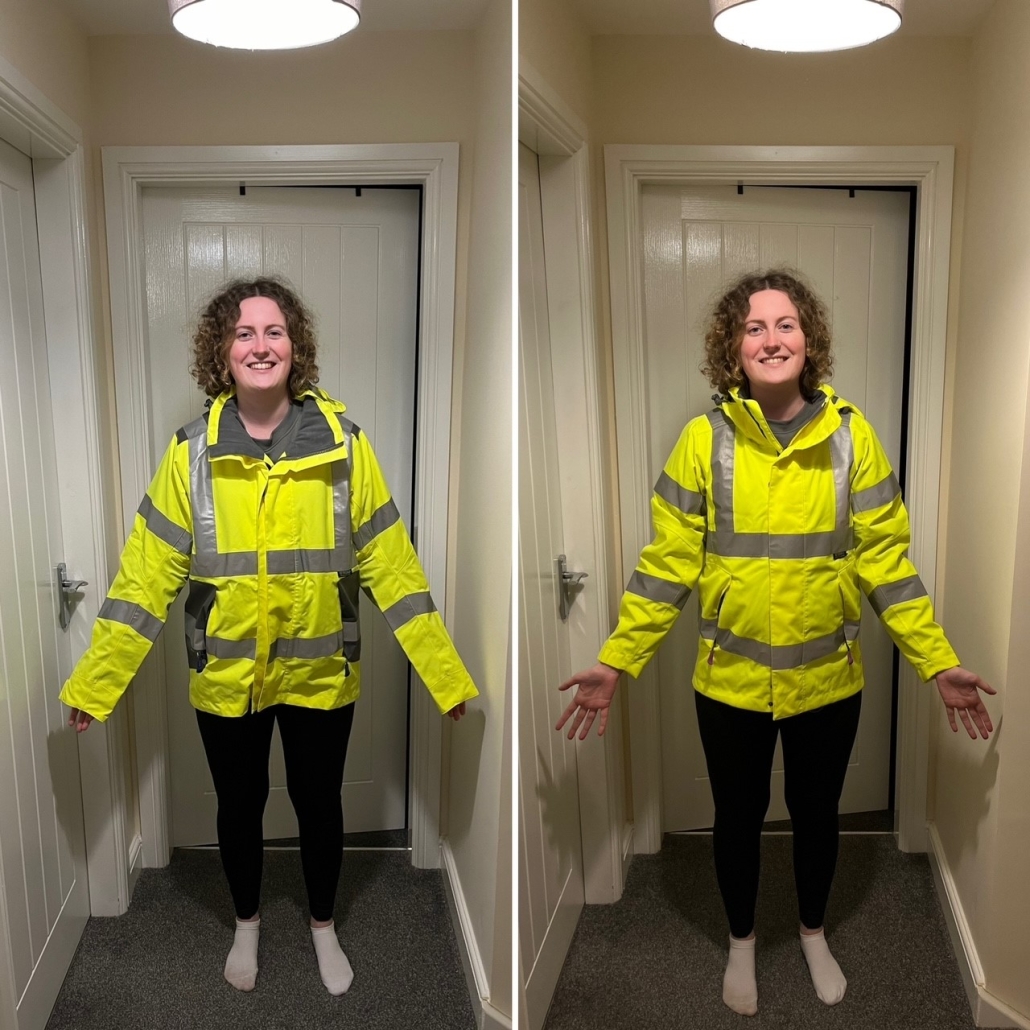
Both men and women are suffering from ill-fitting PPE, affecting their safety at work. But women are experiencing it at a disproportionately higher rate. 59.6% of women are having to wear PPE that is designed for men (NAWIC Yorkshire, 2023), which has a number of impacts on self-confidence, perceived professionalism, as well as health and safety hazards, despite the products being available on the market.

The problem is that ill-fitting PPE is not being investigated sufficiently, action is not being taken, and we find ourselves in a situation where nearly 60% of employers are not providing women’s specific personal protective equipment (NAWIC Yorkshire, 2023).

We launched the PPE Campaign back in 2023. We wanted to address the issue head on by raising awareness of ill-fitting PPE, working closely with the British Standards Institute. Our campaigning has taken us to the UK Government and Health and Safety Executive and we’ve made some significant strides this year already. Most recently, the campaign was raised in Parliament by Labour MP, Emma Hardy who told the Commons:

“This omission is one which continues to have significant real-world consequences. The world is finally waking up to the fact that women are not just smaller men.”

We’ve also worked with the Considerate Constructors Scheme to mandate inclusive PPE on their registered activities and proposed an inclusive PPE motion at East Riding of Yorkshire Council which was passed unanimously.
What is inclusive PPE?

The issue starts with a lack of diversity in the anthropometric data which feeds into PPE standards and design, backed by insufficient legislation covering PPE for diverse users.

Inclusive Personal Protective Equipment takes into consideration the user’s Protected Characteristics and individual requirements. For example, this could be female fit PPE, maternity-wear PPE, a variety of sizes of gloves, hard hats and eye protection to accommodate for all different sizes and shapes.

With ill-fitting PPE – whether it’s clothing, boots, hard hats, gloves or eye protection – there is real risk of slips, trips and falls, limited motion, physical discomfort amongst many other impacts. In fact, in a poll by NAWIC Yorkshire, 42% of women said that they have had experiences related to PPE which have negatively affected their career. They said:

“I feel I look unprofessional as I am wearing oversized men’s clothing.”

“Makes me not want to work in the construction industry.”

“Made site work more difficult and uncomfortable than it had to be.”

In another recent survey by WES this year, 42% of women report having to make modifications to their PPE as a result of poor fit. This number was significantly higher for ethnic minority groups, at 53%.

What you can do to help

Modification of PPE is not the answer – it can affect and even void any warranties and liabilities in place.

With the campaign, we are encouraging the provision, and mandate within contracts, of inclusive PPE within your organisations and your supply chain. 68% of women raise concerns about their PPE, yet over 50% of concerns are not addressed (WES, 2024).It is imperative that organisations create a safe environment for staff to raise concerns and ensure that those concerns are addressed.

We have many resources to support organisations wanting to implement inclusive PPE which you can find at our campaign website 

Instagram: @thePPEcampaign